|

|

The Silent Gum Condition Most People Don't Know They Have

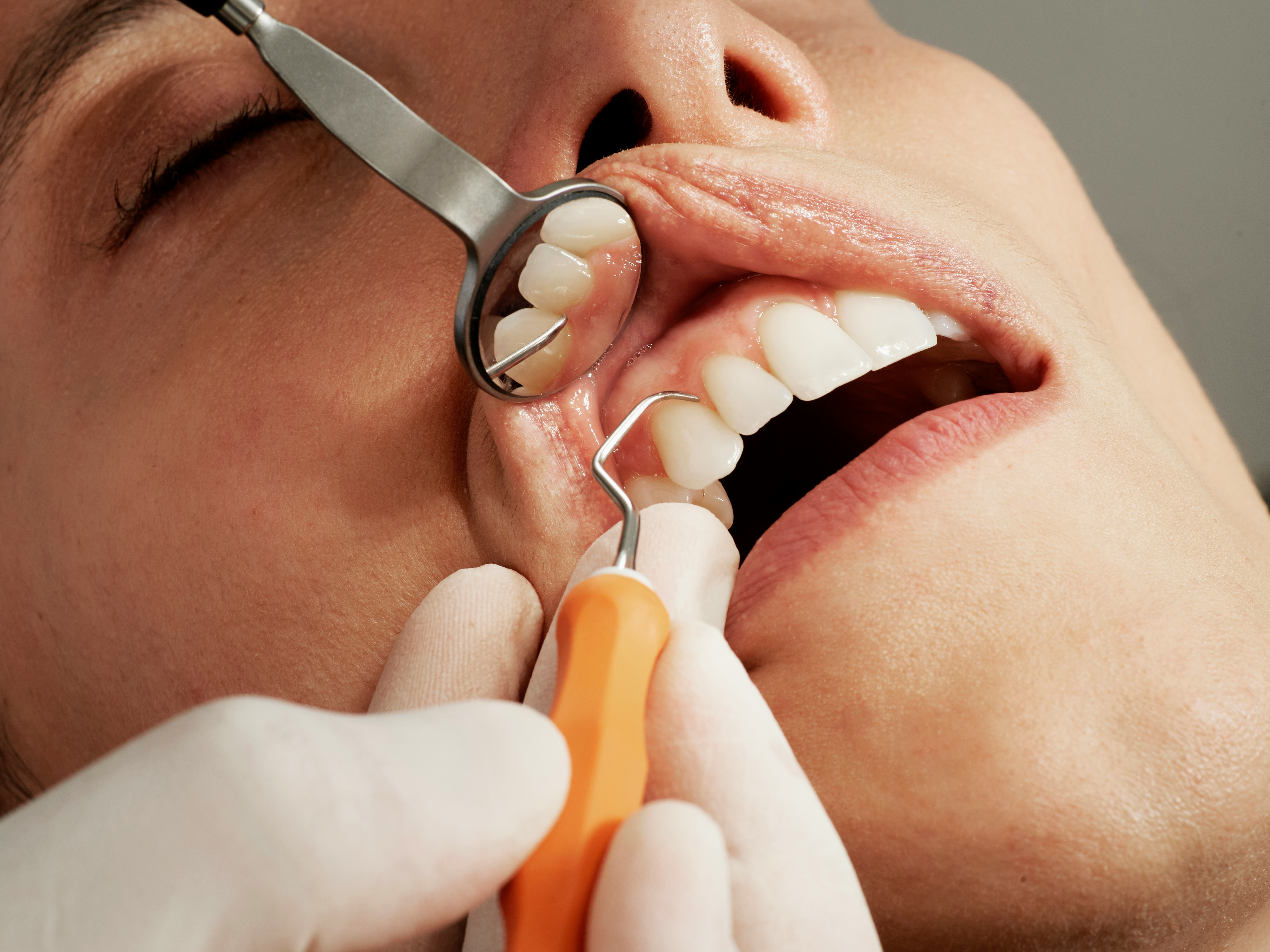
a woman with a smile on her face

Gum disease affects the majority of adults at some point in their lives — yet most don't realise they have it until significant damage has already occurred. Understanding the signs and acting early is essential.

Stage one: gingivitis

Gum disease begins as gingivitis — an inflammation of the gums caused by plaque buildup along the gumline. The signs are easy to miss or dismiss: gums that bleed when you brush, slight puffiness, or a tendency to avoid certain areas because they feel tender.

Stage two: periodontitis

Left untreated, gingivitis progresses to periodontitis — a more serious infection that attacks the bone and tissue supporting your teeth. At this stage, you may notice gums pulling away from the teeth, persistent bad breath, teeth that feel loose, or changes in your bite. Periodontitis is the leading cause of tooth loss in adults.

Research links periodontitis to increased risk of heart disease, stroke, diabetes complications, and adverse pregnancy outcomes. Your gum health is your overall health.

How we screen and treat it

At Malhotra Dental, we screen for gum disease at every checkup. If we detect early signs, a professional deep clean — scaling and root planing — is often all that’s needed to reverse the condition. More advanced cases may require a referral to a periodontist.

Prevention is straightforward

Gum disease is largely preventable. Brushing along the gumline twice daily, flossing every night, and keeping your biannual appointments are the most effective defences.

Don’t ignore bleeding gums

If your gums bleed when you brush, don’t dismiss it as normal. It’s your body telling you something needs attention — and the earlier we catch it, the simpler the fix.


Book an Appointment

|

|

The Silent Gum Condition Most People Don't Know They Have

a woman with a smile on her face

Gum disease affects the majority of adults at some point in their lives — yet most don't realise they have it until significant damage has already occurred. Understanding the signs and acting early is essential.

Stage one: gingivitis

Gum disease begins as gingivitis — an inflammation of the gums caused by plaque buildup along the gumline. The signs are easy to miss or dismiss: gums that bleed when you brush, slight puffiness, or a tendency to avoid certain areas because they feel tender.

Stage two: periodontitis

Left untreated, gingivitis progresses to periodontitis — a more serious infection that attacks the bone and tissue supporting your teeth. At this stage, you may notice gums pulling away from the teeth, persistent bad breath, teeth that feel loose, or changes in your bite. Periodontitis is the leading cause of tooth loss in adults.

Research links periodontitis to increased risk of heart disease, stroke, diabetes complications, and adverse pregnancy outcomes. Your gum health is your overall health.

How we screen and treat it

At Malhotra Dental, we screen for gum disease at every checkup. If we detect early signs, a professional deep clean — scaling and root planing — is often all that’s needed to reverse the condition. More advanced cases may require a referral to a periodontist.

Prevention is straightforward

Gum disease is largely preventable. Brushing along the gumline twice daily, flossing every night, and keeping your biannual appointments are the most effective defences.

Don’t ignore bleeding gums

If your gums bleed when you brush, don’t dismiss it as normal. It’s your body telling you something needs attention — and the earlier we catch it, the simpler the fix.

Book an Appointment

Other

articles

on

Smile Makeovers

Browse all

Your Journey to a Healthier Smile Starts Here

Book your appointment at our Vaishali Nagar clinic today — evenings and Sundays available.

Your Journey to a Healthier Smile Starts Here

Book your appointment at our Vaishali Nagar clinic today — evenings and Sundays available.

Your Journey to a Healthier Smile Starts Here

Book your appointment at our Vaishali Nagar clinic today — evenings and Sundays available.